

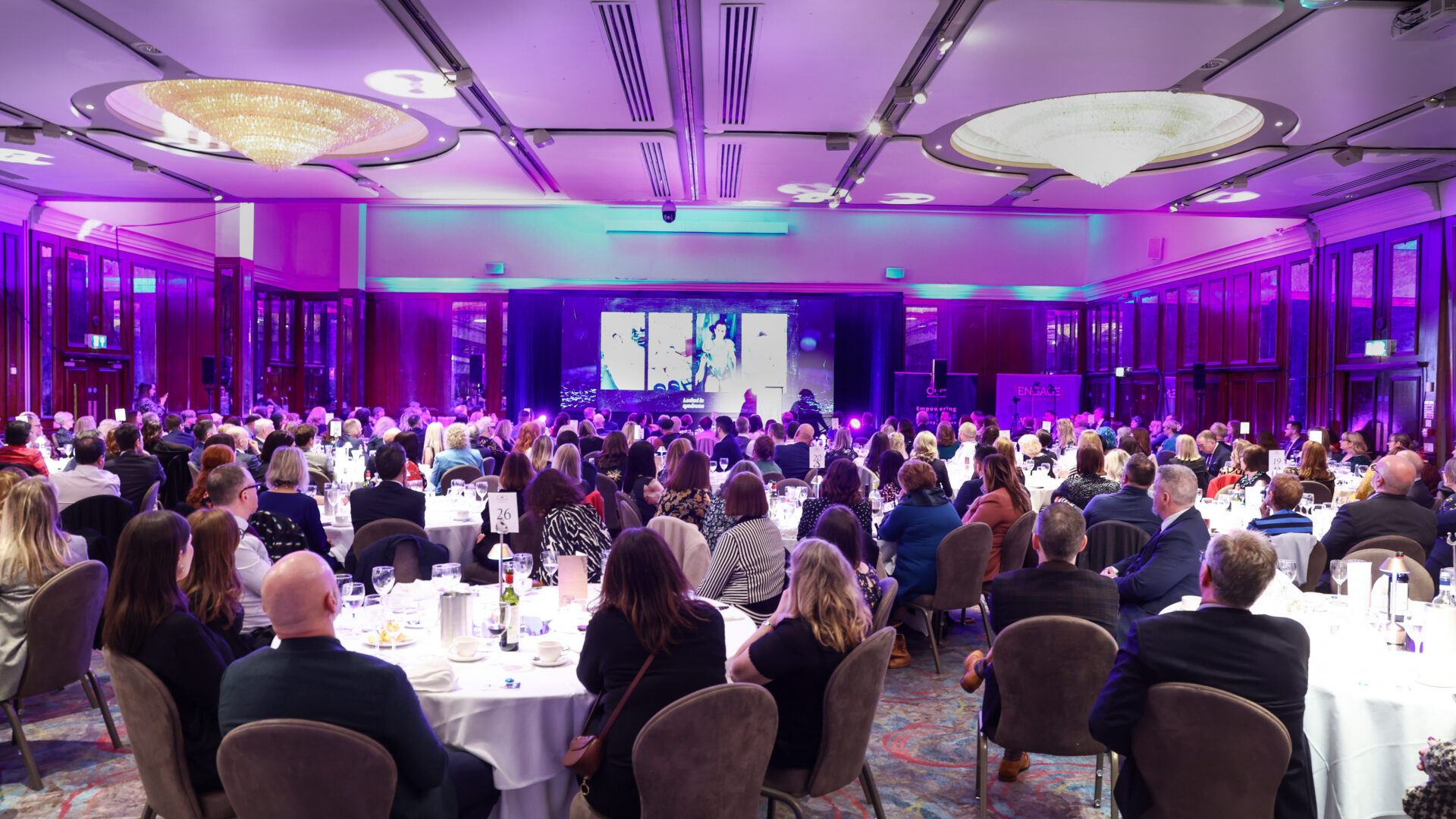
How CO3 is Strengthening Leadership Across Northern Ireland’s Third Sector
“It’s capacity building within the sector. It’s helping people have courageous conversations and make courageous decisions. It’s creating stubborn social entrepreneurs.”
Communities look to civil society organisations to address the social, economic and environmental challenges they face.
The fulcrum of each of these organisations is the Chief Executive. It can be a lonely position, with the hopes of the staff and trustees resting on their shoulders. If their organisations and the communities they serve are to be successful, Chief Executives need support.
CO3’s role is to provide that support to 900 members across Northern Ireland.
A membership organisation supporting chief executives, senior leaders and trustees across Northern Ireland’s third sector, it is committed to supporting, developing and keeping brilliant leaders, driving the sector forward.
Partnering with the Social Enterprise Academy (the Academy), CO3 is providing transformational leadership for their members.
As Head of Operations, Suzanne Courtney plays a central role in shaping that support.

Suzanne Courtney, CO3
“One of the most important parts of my role is organising the training calendar throughout the year,” she explains. “We speak with members to work out exactly what it is that the sector needs support on, then we will build programmes around those needs.”
That close connection with members is fundamental to CO3’s approach. The organisation is constantly hearing about leaders’ struggles and what they need to lead their organisations more effectively.
“We pride ourselves on the close relationships we have built and continue to build with our members,” Suzanne says. “We listen to them and try to support them in whatever way we can.”
Those conversations are often the starting point for new learning programmes.
Turning insight into action: Partnering with SEA
Once those needs are clear, CO3 works with Social Enterprise Academy to shape programmes that will truly resonate with leaders in Northern Ireland.
“It’s very collaborative, it has to be- that’s the key” Suzanne explains. “We can just meet and say, ‘this is what we need. Do you have something?’ And then we take it from there.”
Through open conversations between CO3 and Academy colleagues, ideas evolve into tailored learning experiences. That flexibility matters.
“Northern Ireland is very nuanced,” Suzanne says. “Something that’s off the shelf might not fit us. That’s why it’s good to work with the Academy, because they try to adapt and be flexible.”
From programme design to delivery, the partnership is built on trust and shared purpose.
“They’re easy to work with,” Suzanne adds. “And that sounds simple, but when someone does what they say they’ll do, it makes a huge difference.”
Supporting the next generation of leaders
One of the longest-running programmes delivered through the partnership is Leading Edge – a course designed to help emerging leaders step confidently into senior roles.
“Leading Edge is a deep dive into your own leadership styles and the difference between management and leadership,” Suzanne explains.
The programme was developed to address a growing challenge within the sector: succession planning.
“There was a real need in terms of succession planning in the sector,” she says. “It was for people thinking about taking the next step in their career journeys – and for chief executives to support whoever might pick up the baton when they move on.”
From the first cohort demand for the programme grew rapidly.
“It was so successful that we had to increase from one cohort to two because there was such demand.”
And the results are tangible.
“We’ve seen a lot of people who have taken bigger steps in their own journeys. There are several chief executives who have been created since participating in this programme.”
Tackling imposter syndrome and building confidence
One theme that consistently emerges among participants is imposter syndrome. “It’s something that even the most impressive people have, that surprises me the most” Suzanne says.
But something powerful happens when leaders share that experience with peers.
“There’s that shock moment when people realise that everyone in the room feels the same. And then the support people give each other really builds confidence. Peer learning and support is key and Leading Edge provides that safe space to be honest, vulnerable and heard.”

Each programme creates a network. Participants form small peer groups, often staying connected through WhatsApp groups and ongoing support networks long after the programme ends.
“The peer support and peer learning is probably the best thing,” Suzanne reflects.
Breaking down barriers across sectors
The partnership has also enabled a cross-sector version of Leading Edge, bringing together leaders from government departments, charities and social enterprises. The impact has been powerful.
“When people from different sectors learn together, barriers start to break down,” Suzanne explains.
Participants have included officials from the Department of Justice, Department of Health and Department of Education alongside leaders from organisations supporting rehabilitation, mental health and youth employment.
Those shared learning spaces often spark unexpected insights. “There were real lightbulb moments in the room,” Suzanne recalls. “People saying, ‘I get it now from your point of view.’”
In one memorable moment, a civil servant told a charity leader: “I’d love the opportunity to volunteer with your organisation.”
Creating a coaching culture
Another major initiative delivered with the Academy has been an accredited Coaching and Mentoring programme.
The first cohort of 15 learners quickly grew, with subsequent cohorts expanding to over 60 leaders.
The coaching programme not only built individual skills but also strengthened the entire ecosystem of support within the sector.
“There’s a lot of trauma within the sector,” Suzanne explains. “People want to create a coaching culture. They want to be good mentors – critical friends.”
Some participants have gone on to become professional coaches within the sector, while others have contributed their coaching hours back to the CO3 network.
“Trainee coaches reached out to us at CO3 to give their expertise for free because they needed hours to receive accreditation,” Suzanne says. “We were able to connect them with members who needed coaching – so it became a real give-back.”
Building capacity for the future
For CO3, the impact goes beyond individual learning experiences strengthening leadership across the entire third sector.
“It’s capacity building within the sector,” Suzanne says. “It’s helping people have courageous conversations and make courageous decisions. It’s creating brave and successful social entrepreneurs.”
Ultimately, it’s about nurturing leaders who have the tools, confidence and networks to drive change within their organisations and communities.
Investing in leadership in challenging times
The context for this work remains challenging. Funding pressures, shrinking public budgets and increasing reliance on short-term contracts are putting enormous strain on organisations across the sector.
And when budgets tighten, training is often the first thing to go. Yet CO3 continues to champion leadership development as a vital investment, because strong organisations need strong leaders, and strong leaders need support.
Through its partnership with the Academy, CO3 is ensuring support continues to reach the people who need it most.
As Suzanne puts it, “when we see amazing leaders within the sector, we want to fully support them – to keep them within the sector.”
In ever more difficult times, Social Enterprise Academy supports membership organisations like CO3 to develop resilience in their membership.
Based on years of experience, the Academy team develops bespoke programmes to change organisations and communities. If you are interested in finding out more about how the Academy can support your team, please contact [email protected]