
Wide Horizons | Community Integration Programme
On 24 February, we welcomed partners, funders and colleagues from across the sector to share learning from Wide Horizons | Community integration programme – a programme designed to support refugees and migrants in Inverness to feel more at home in their communities, strengthen their confidence, and build meaningful connections.
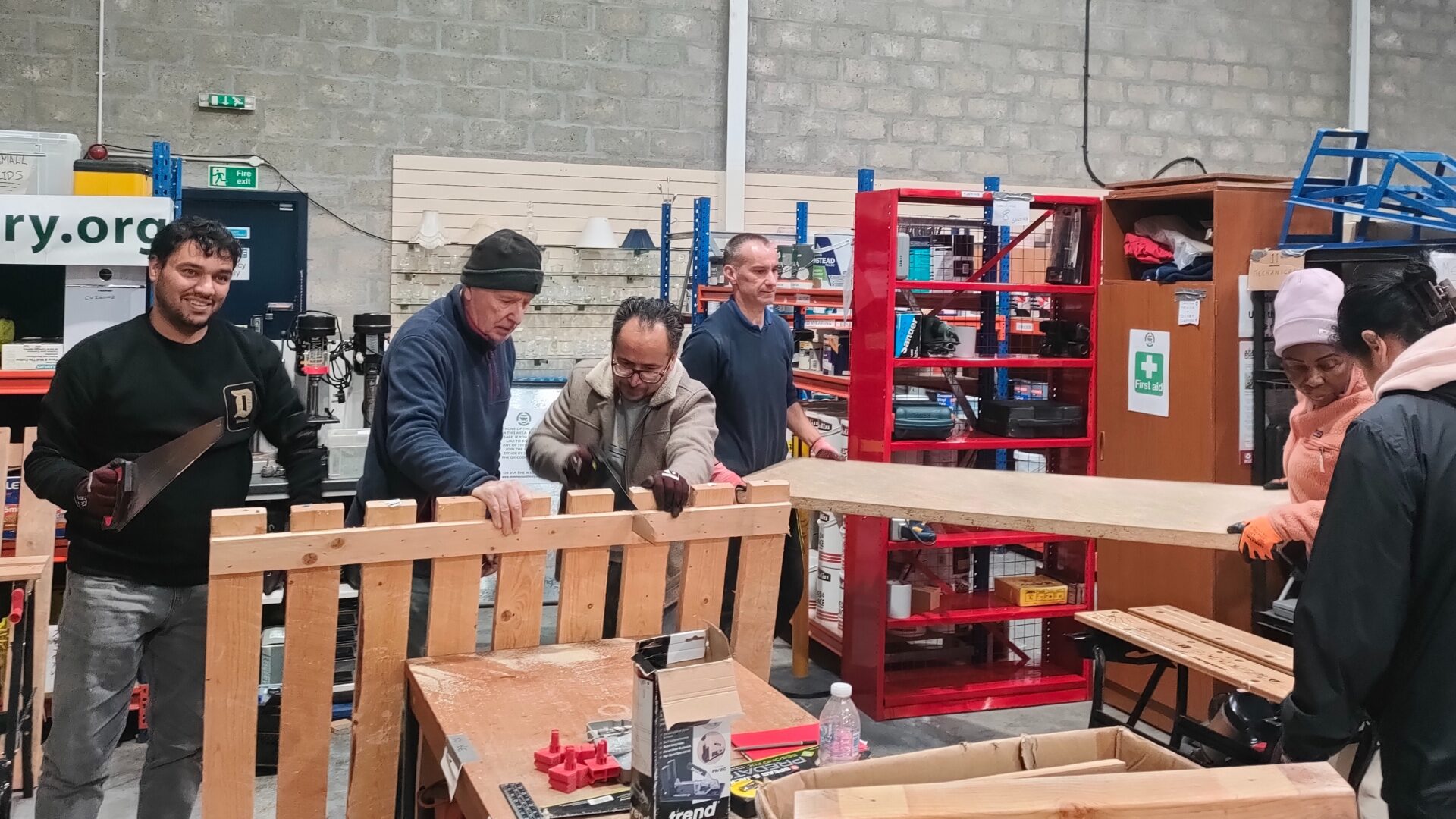
Funded by the Highland Communities Mental Health & Wellbeing Fund for Adults, Wide Horizons was delivered by Social Enterprise Academy (SEA) in partnership with New Start Highland, in collaboration with the Scottish Refugee Council and Highland Council’s Adult Learning Team.
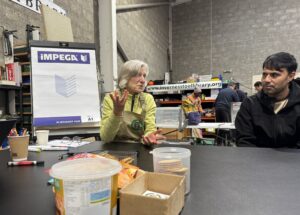
This Dissemination Event, hosted by Elsa Vibert and Lyndsey Stewart from Social Enterprise Academy, was an opportunity not only to celebrate impact, but to share honest reflections about what worked, what challenged us, and how the programme evolved along the way.
Please click here to watch a full recording of the 55-minute session.
You can also access the full slide deck here.
Why Wide Horizons?
Social Enterprise Academy exists to develop people to drive social change. We know that change happens through individuals – often those who have overcome barriers themselves – who are supported to grow in confidence, skills and agency.
Wide Horizons was rooted in this belief.
The programme aimed to:
- Reduce isolation and improve mental health
- Support refugees and migrants to build confidence and agency
- Strengthen English language skills in supportive environments
- Foster connection through volunteering and community engagement
- Help participants recognise and value their transferable skills
The project was made possible by funding from Highland Communities Mental Health & Wellbeing Fund for Adults, and Marion McNeil, Senior Development Officer at HTSI joined the call to share some insights into why this project was funded.
The collaborative approach and the target demographic were interesting to the funders, and Marion shared, “While many applications that we receive do aim to improve well-being, reduce isolation and/or distress, the ambition to develop agency was particularly interesting.
It’s great to see this approach, which ensures that people are enabled to be the driving force devising the solutions that work best for them. This proposal identified the necessary steps to proceed with that approach based on the combined experience from previous projects and knowledge of the types of barriers that might be encountered.”
The Programme Journey
The project ran from April to December 2025, with two cohorts delivered in Inverness, originally designed as six full delivery days combining:
- Morning facilitated learning and reflective sessions
- Afternoon volunteering or community-based activities
- Study visits and guest speakers
The programme took a unique approach – it was trauma-informed and place-based, tailored specifically to the Inverness context. We also aimed to remove practical barriers to participation – including providing transport support – made possible through flexible funding.
Participants from Cohort 1 included people resettled in the Highlands from Ukraine and Afghanistan, arriving at different times and with diverse professional backgrounds. Many were highly skilled – including a neurosurgeon, psychologist, pharmacist and journalist – whose overseas qualifications were not recognised in the UK.
Their primary motivations were clear:
Improve English, find employment and feel less isolated.
What we learned and adapted
Cohort 1 saw some great success in participants building confidence, connections and shifting their mindsets, but there was much we wanted to develop. We evaluated the approach and implemented the following adaptations in close collaboration with local eco-system partners:
- Recruitment Requires Trust and Presence
One of our earliest challenges was recruitment. We hosted information sessions, and drop-ins, and getting people along proved difficult.
We learned that:
- Explaining a confidence-building programme in simple, tangible terms is difficult.
- Third-party promotion alone is not enough.
- Learners need personalised support
- Trust must be built in person.
For Cohort 2, we shifted our approach. We went directly to places where potential learners already felt safe – such as ESOL classes – and worked more closely with Highland Council and other trusted partners to identify and support suitable participants.
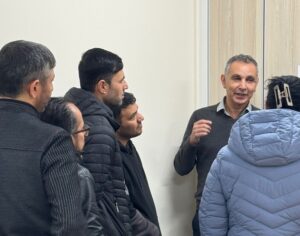
Cathy Shaw works for Highland Council as an adult learning support worker for ESOL learners. Cathy shares, “Elsa came to visit our learners in their classes to start off with, just to introduce herself and tell them a little bit about what was on offer.
I think this really helped, because the learners are quite vulnerable when they have language difficulties, and they’re new to the area, so that meant that they’d already met Elsa, or they already knew a little bit about it before they attended the first session.
We also did a bit of a soft handover in that I accompanied our learners to the first session as well, and I think that helped to kick start the whole experience for them.”
- Meeting Learners Where They Are
Initially, the programme emphasised leadership and volunteering as pathways to integration. However, we discovered that:
- Learners with stronger English accessed support independently
- Those who might benefit most might lacked sufficient English to fully engage
- Immediate priorities were employment and language development
- People had immense external stresses, including uncertainty around immigration status and family safety
- Volunteering was not a concept that was understood in some cultures
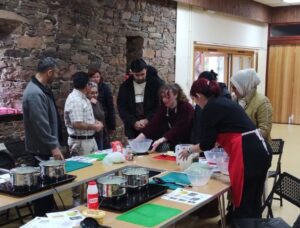
Russel Rekhy, from New Start Highland , who co-delivered the programme with Gill Dolphin, shared some insights about the participants; “We had some stories where some of the participants who only three months ago were in a war torn zone, and now they’re in a safe part of this country, trying to engage with a group of people who they haven’t met before, but they were willing to go on the journey. Within the room, there were challenges which we as facilitators would struggle to understand.
Volunteering was something they had never heard of and could not understand the meaning of it at first. Some have now volunteered with ourselves. Others have volunteered within the local hospital as well, and they’ve gained confidence. They’re improving their English and they’re making friends, new friends, friends that they didn’t expect to have.”
We refined our positioning and focused on:
- Practising English through group discussion
- Understanding how volunteering can support employability
- Learning how to talk about personal skills and experience
- Building confidence in speaking engaging with others, in English
The core outcomes remained – integration, wellbeing, connection – but the pathway shifted. Volunteering became a tool for language practice and confidence, not an end in itself.
- Programme Design Matters
Speaking English all day requires significant emotional and cognitive energy. By the end of Cohort 1, participants were exhausted, and even showing up to the programme in the first place was incredibly challenging for some.
In response, we:
- Added a half-day introductory session where learners could attend with someone they trusted
- Introduced a seventh day to allow space for reflection and evaluation
- Adapted delivery to be more conversational, responsive, and slower to adapt to learners’ pace
These adjustments supported deeper engagement and created space for more honest reflection.
- Rethinking Evaluation
Measuring impact in this context is complex. At the start of the programme, participants often did not yet have the language, or trust, to articulate how they felt.
Written evaluation forms proved challenging for expressing complex emotions such as confidence or belonging.
We adapted by:
- Building regular in person touchpoints with the group to build trust
- Using group discussion and physical “confidence continua” in the room
- Creating safe spaces for verbal reflection
This produced richer and more meaningful insights.
Elsa shared, “We stepped away from the usual way we measure feedback and focussed on developing trust with learners. Instead of form fatigue, we had a discussion about what they experienced in the programme. They felt safe to express themselves.”
The Impact
Despite challenges, the impact across both cohorts was significant. Participants reported:
- Feeling more connected and less isolated
- Increased confidence speaking English
- Greater understanding of civil society in the Highlands
- Clearer next steps in their employment journeys
Here are just a handful of quotes from participants that speak to the growth in confidence, connection, belonging, self-esteem and hope:
- “My confidence to speak more has increased and I feel like I can speak up and have a voice.”
- “I learnt from this programme that we have a lot of things to offer in this country. Even if we are not born here, we are welcome here.”
- “I feel useful and that I have something to share.”
- “I have a plan for life, a big dream for myself and my family.”
- “At first, I was very frustrated because I didn’t understand. Step by step I feel more confident.”
- “I learnt it is important to ask myself how you can achieve the things you want. You should focus on the how & and not think ‘I can’t do it’.”
Impact extended beyond learners. Dolina, the venue receptionist who welcomed participants each week, noticed clear shifts in body language, interaction and confidence as the weeks progressed.
Dolina shared, “When they first joined us it was hard to get them to speak. We used to make sure we were in and went around talking to them while they were having their lunch and found out a bit about their backgrounds.
Towards the end of the programme, it was so lovely to see how their confidence had grown. When they signed in at reception, they’d start conversation with us. They’d ask, “Where have you been?” and “What have you done this weekend?” To me, it was just such an impact on these people, how they developed and how they wanted to learn, and that was very inspiring to me.”
Key Lessons for the Sector
Through Wide Horizons, several lessons stand out:
- Partnership is everything: Deep collaboration with local ecosystem partners strengthened recruitment, engagement and relevance. We couldn’t have done this work without all the partners working together.
- Flexibility is essential: Programmes must adapt to lived realities, not fixed expectations. We needed to meet people where they are at and have the flexibility to change the programme to meet their needs.
What’s Next?
We are currently finalising two learner case studies with a more in-depth account of their individual experiences. We would love to do more of this work, and our rich learning from this process will set us up well to share knowledge and deliver more projects to support refugees and migrants to develop agency in their new community.
If you are interested in and of the following things, we would love to continue the conversation:
- Piloting a similar approach
- Exploring partnership opportunities
- Discussing recruitment strategies or evaluation adaptations
- Collaborating on collective solutions to reach more isolated communities
Wide Horizons has shown us that integration is not a linear process – it is layered, personal and deeply human. When we create spaces that prioritise trust, flexibility and belonging, transformation becomes possible.
Thank you to our learners, partners and funders for sharing this journey with us.